
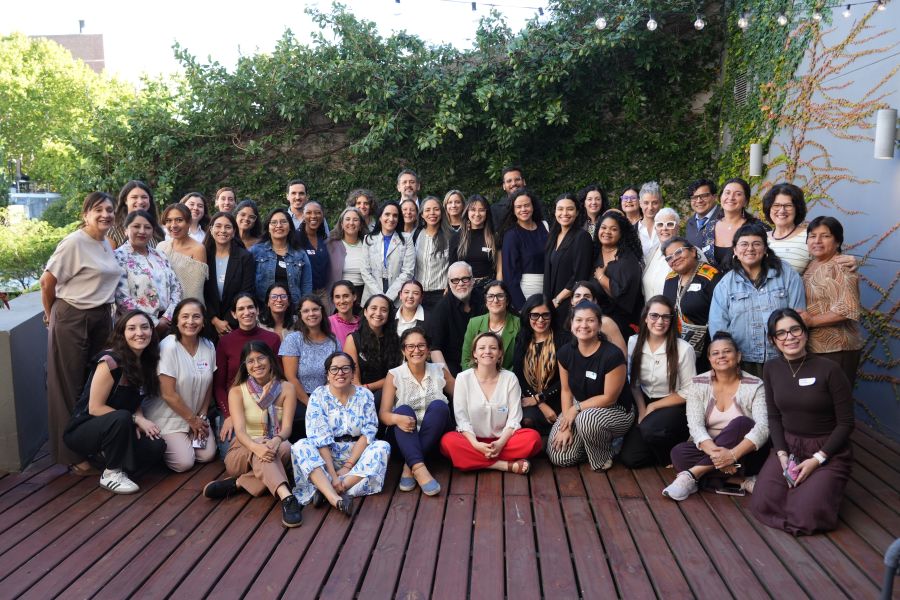
This is how care systems are built in Latin America
Peer Learning Workshop on Care within the Framework of the Collaborative Action Research Fund for Public Policy Innovations in the Care Economy in Latin America
The Group for Analysis and Development (GRADE), in collaboration with the Global Alliance for Care (AGC), the United Nations Research Institute for Social Development (UNRISD), and the International Development Research Centre (IDRC), and with support from the Ford Foundation, is carrying out the project “Initiatives to Strengthen Care Policies in Latin America.”
A central pillar of this initiative is the strengthening of learning and exchange communities among stakeholders who promote care policies and systems in the region. Within this framework, the Global Alliance for Care organized the Peer Learning Meeting on Care, held in Montevideo, Uruguay, a forum that brought together representatives of projects from different Latin American countries to share experiences, challenges, lessons learned, and strategies aimed at strengthening care policies and systems from a collaborative and regional perspective.
The experiences gathered in this series show that care systems are built on multiple dimensions: institutional coordination, shared responsibility, recognition of community initiatives, long-term care, working conditions, interculturality, and the need for comprehensive responses to inequalities.
This page brings together the video summarizing the meeting, short video clips from the participating projects, and a series of lessons learned from these experiences, within the framework of the Collaborative Action-Research Fund for Innovations in Public Policies on the Care Economy in Latin America.
A conference to reflect on care in the region
Over the course of three days, projects, experts, and institutions from various Latin American countries gathered in Montevideo to share experiences, challenges, and lessons learned regarding care policies and systems. This video captures some of the conversations, reflections, and perspectives that emerged from the conference, illustrating how care is shaped by different regions, stakeholders, and realities across the region.
Watch the full video here
What We Are Learning About CareEach
Experience offers a distinct perspective on how care policies and systems are developed in Latin America. Drawing from local communities, institutions, and organizations, these clips bring together lessons, challenges, and reflections that are currently shaping the regional care agenda. (Click on the image to learn more about healthcare in each country)
MÉXICO COLOMBIA
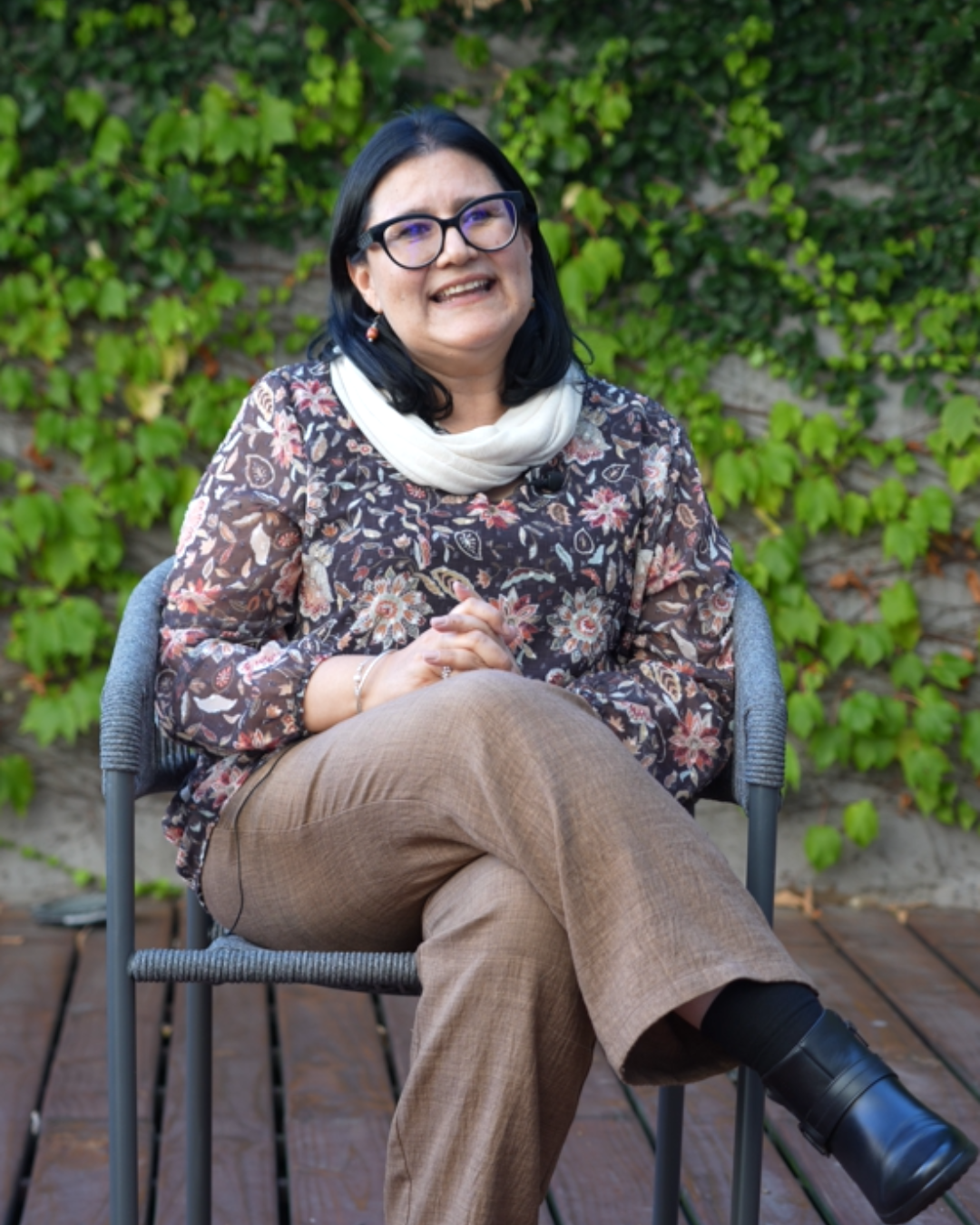

REPÚBLICA DOMINICANA CHILE

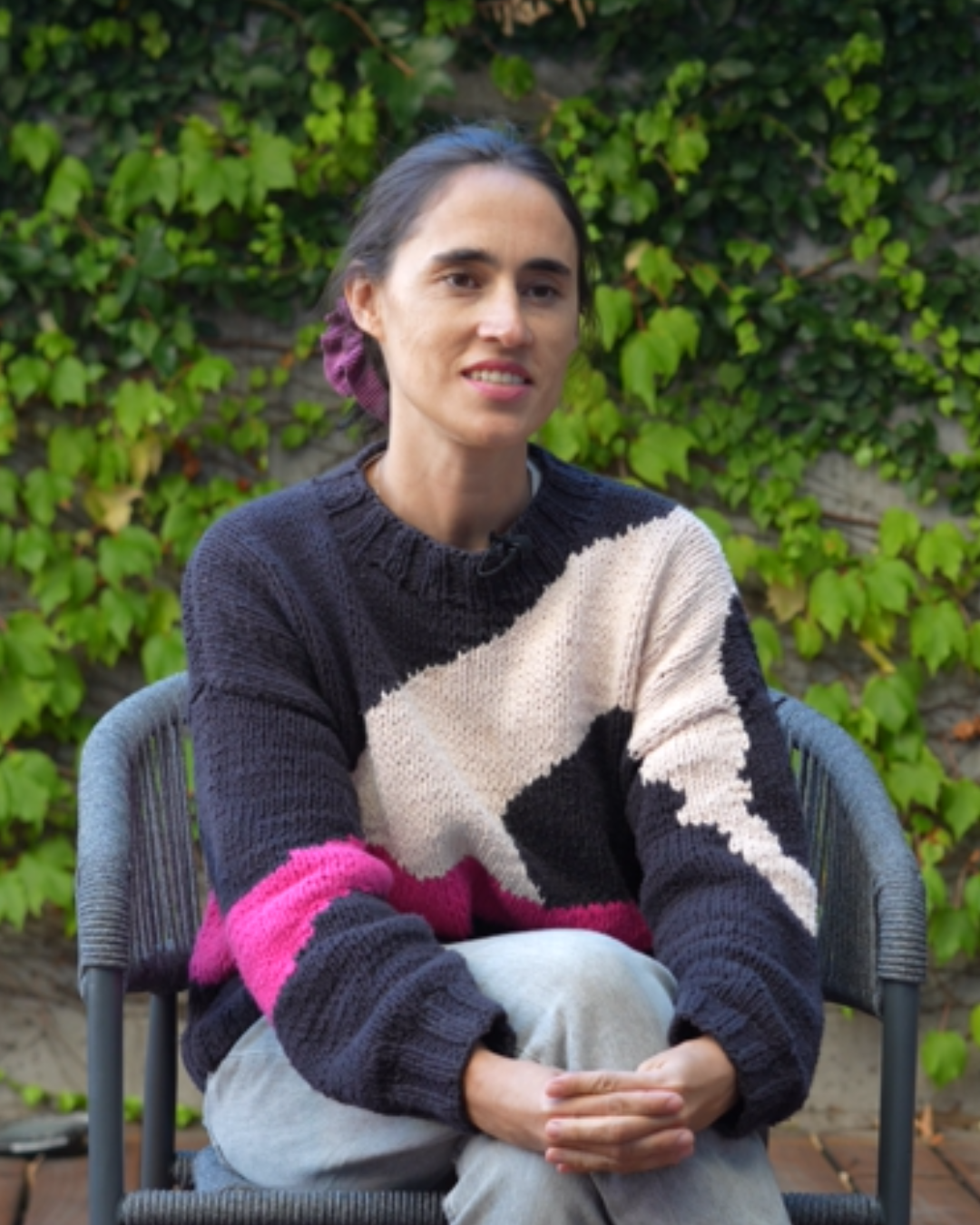
URUGUAY PERÚ
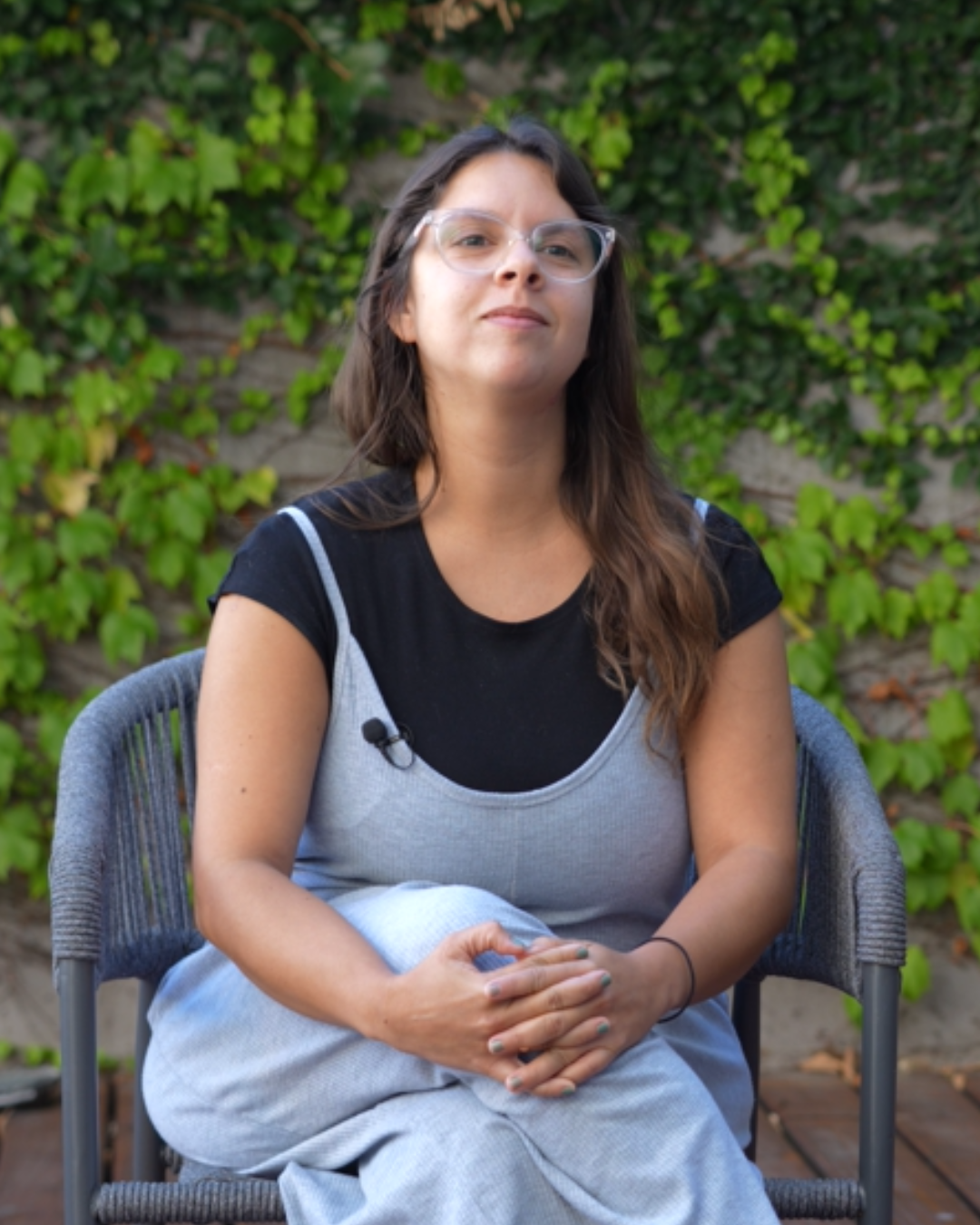

ARGENTINA BRASIL
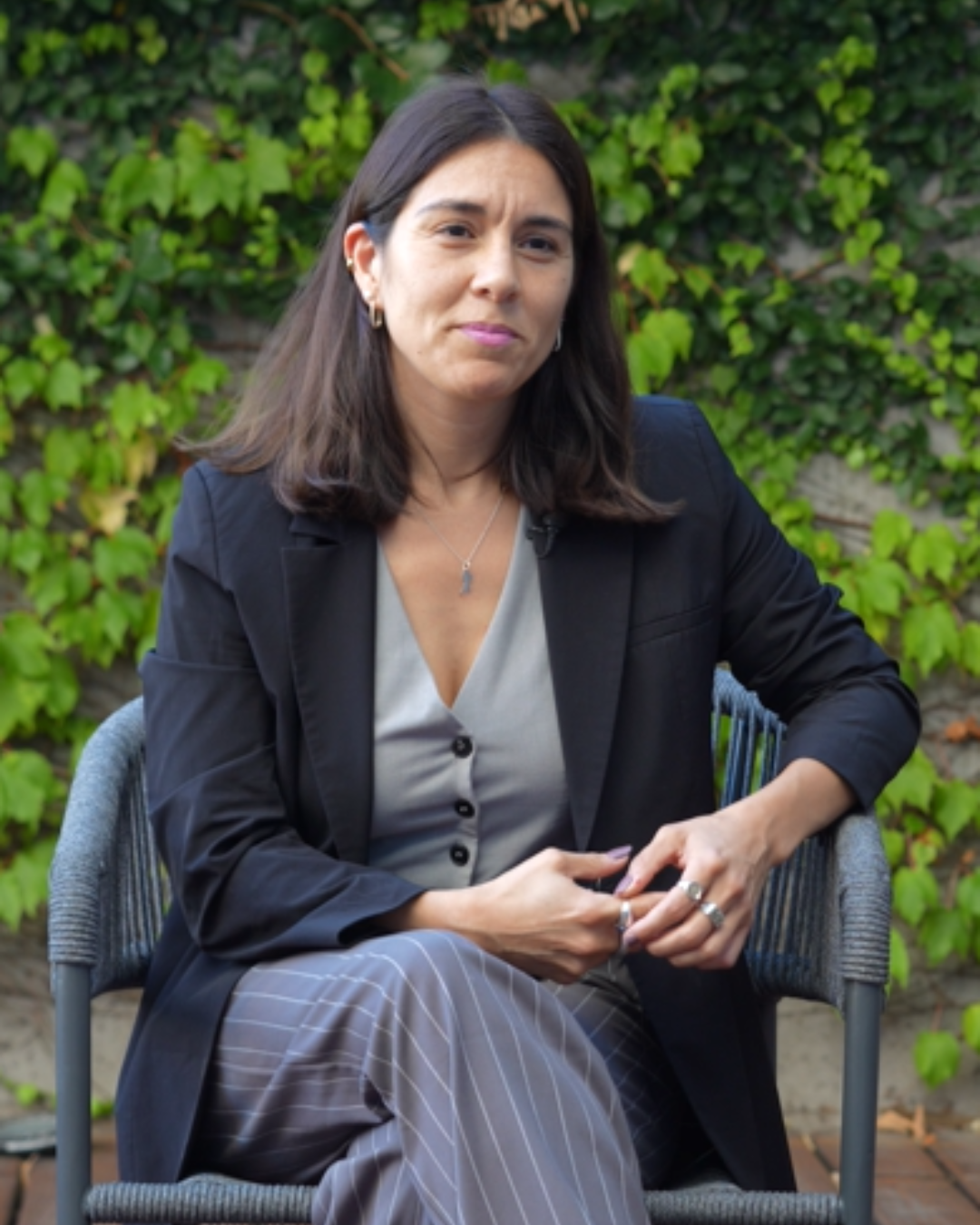
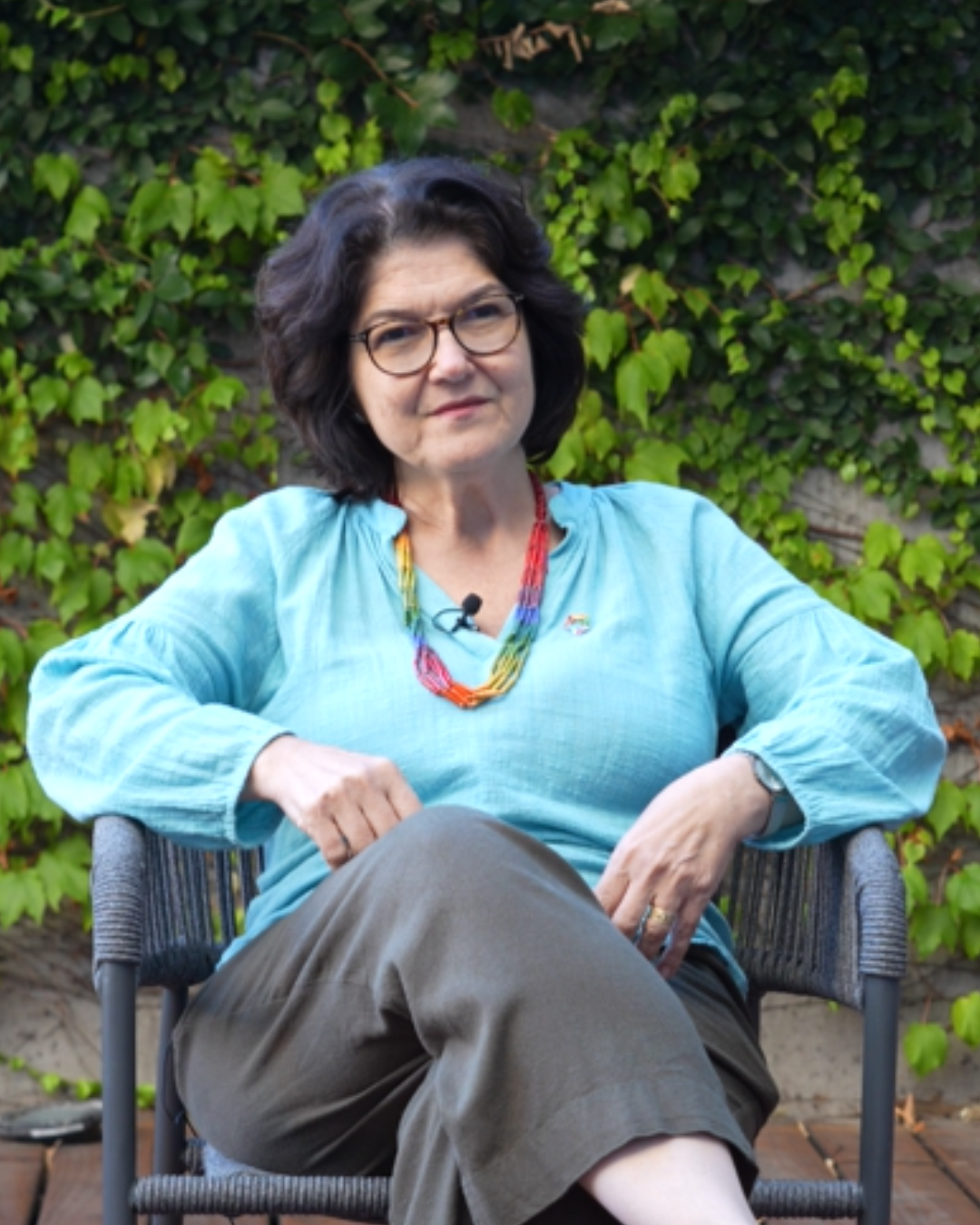
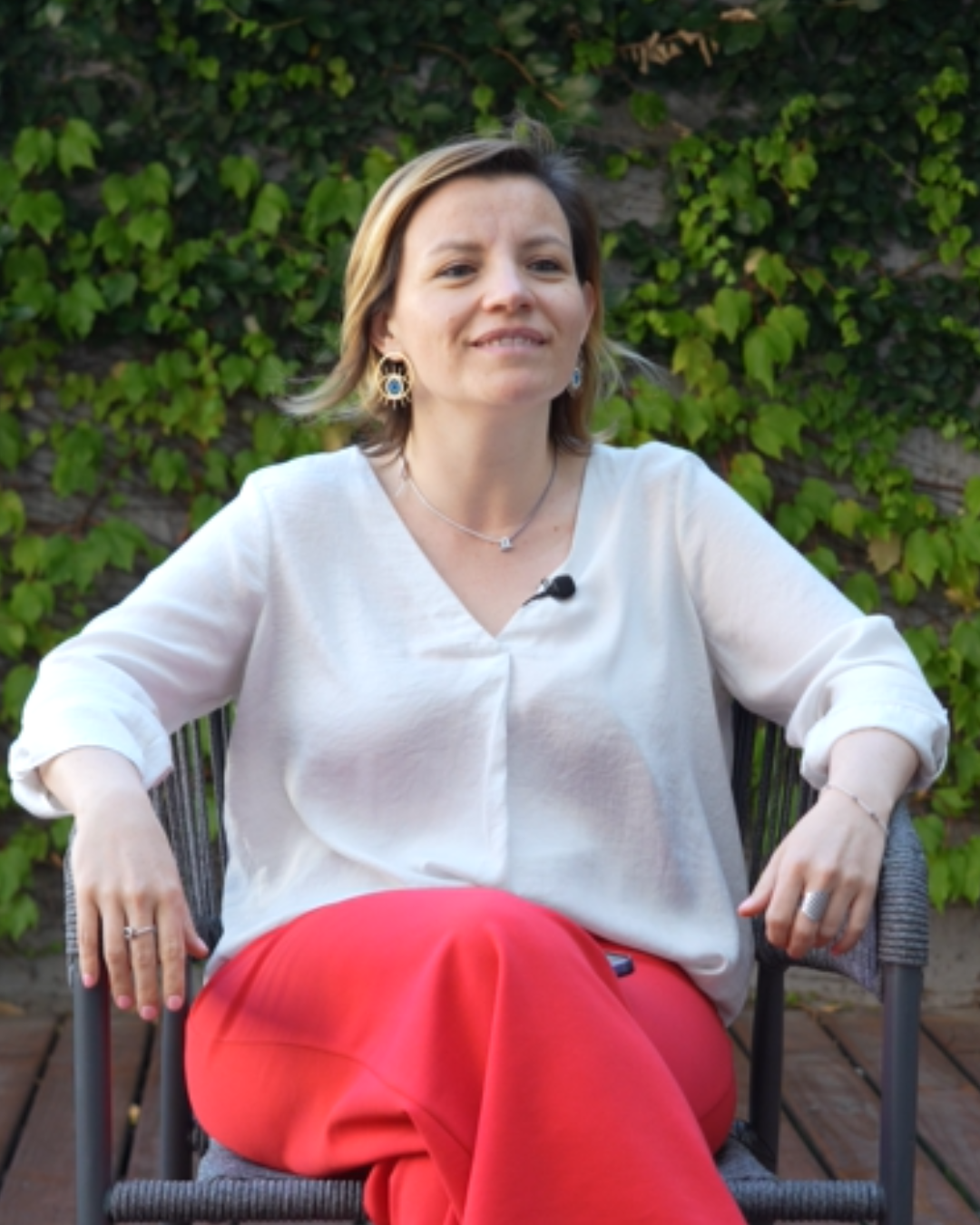
COLOMBIA URUGUAY

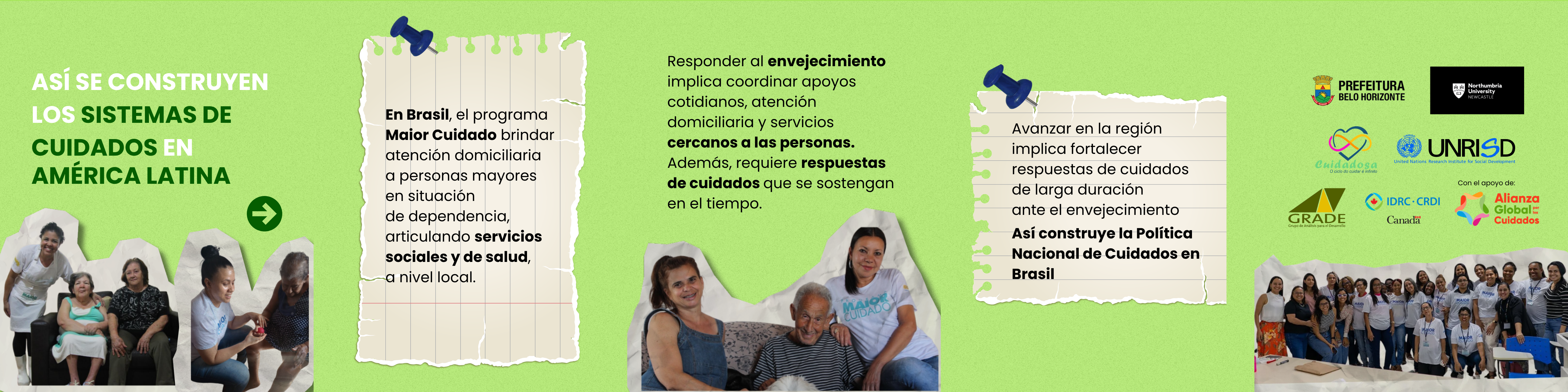
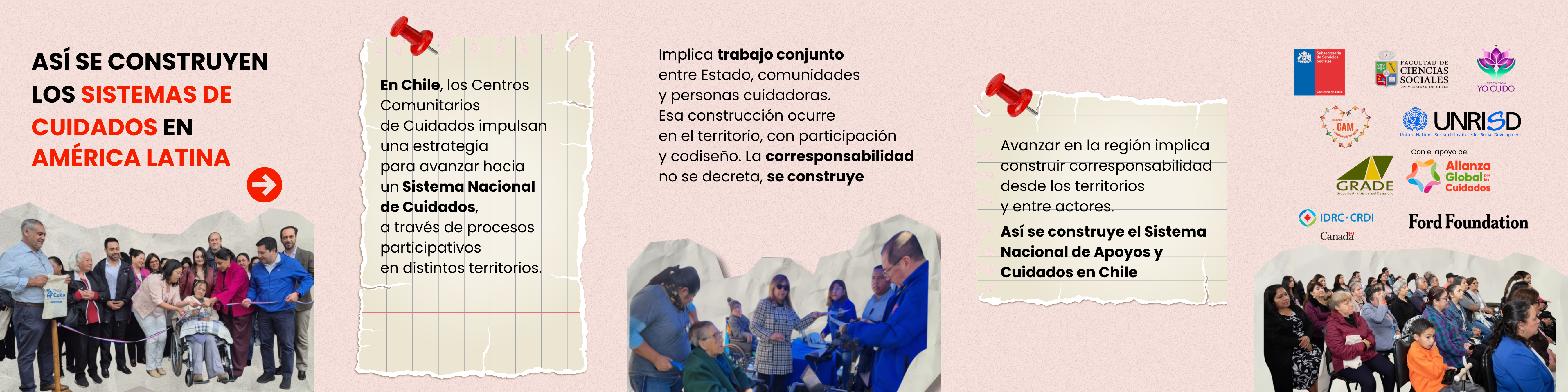
How Care Systems Are Built
Drawing on the experiences shared by participating projects, this series highlights some of the key lessons that are currently shaping the development of care policies and systems in the region. Coordination among stakeholders, shared responsibility, recognition of community initiatives, long-term care, and responses to inequalities are among the themes that emerge from these processes.
BRASIL
CHILE
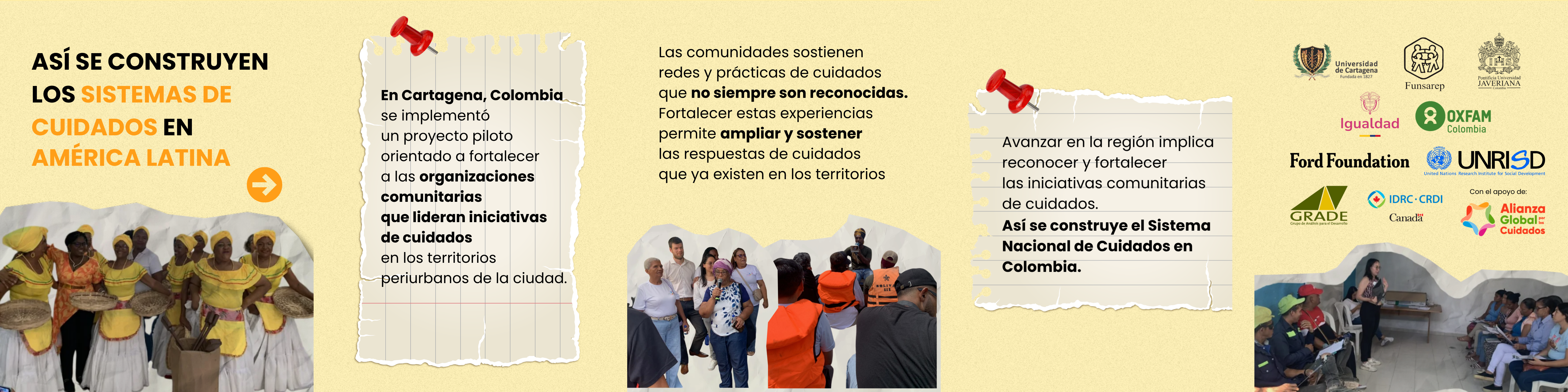
COLOMBIA
MÉXICO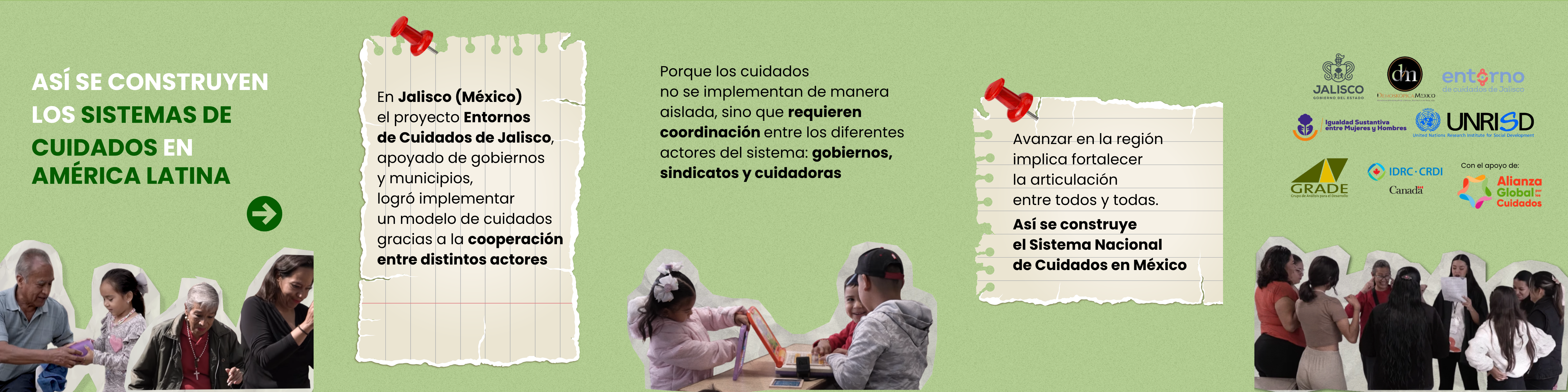
PERÚ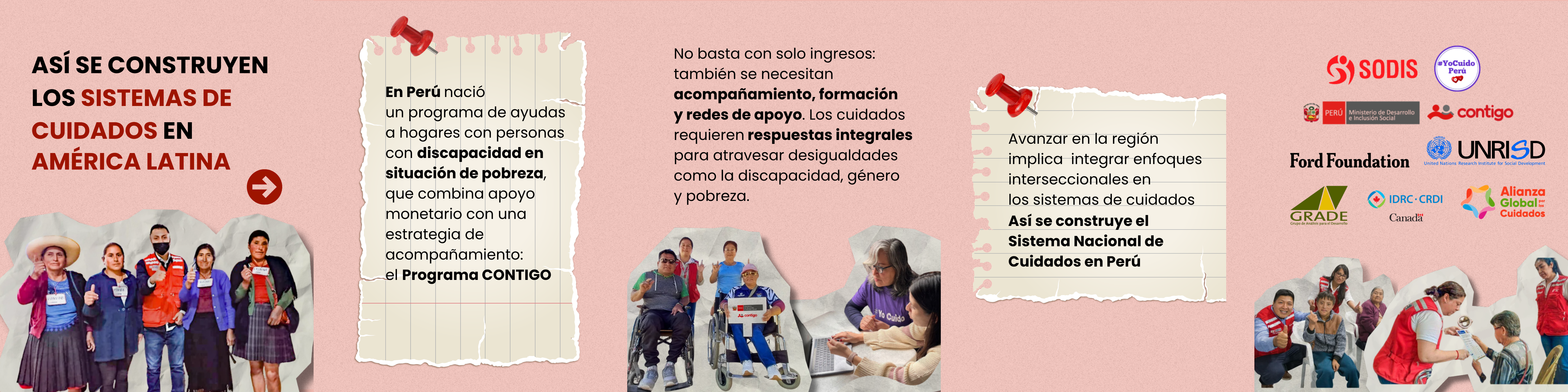
COLOMBIA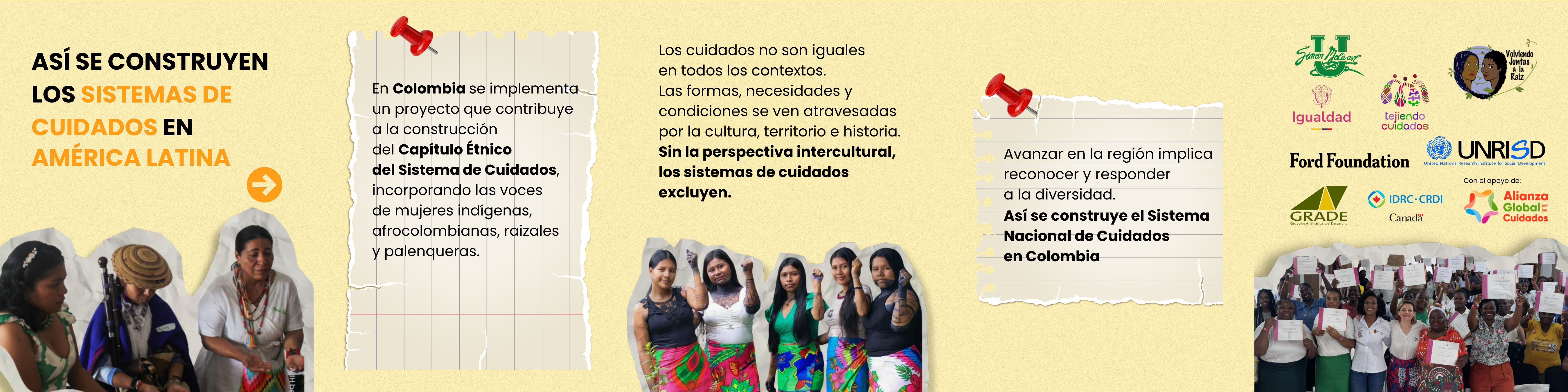
URUGUAY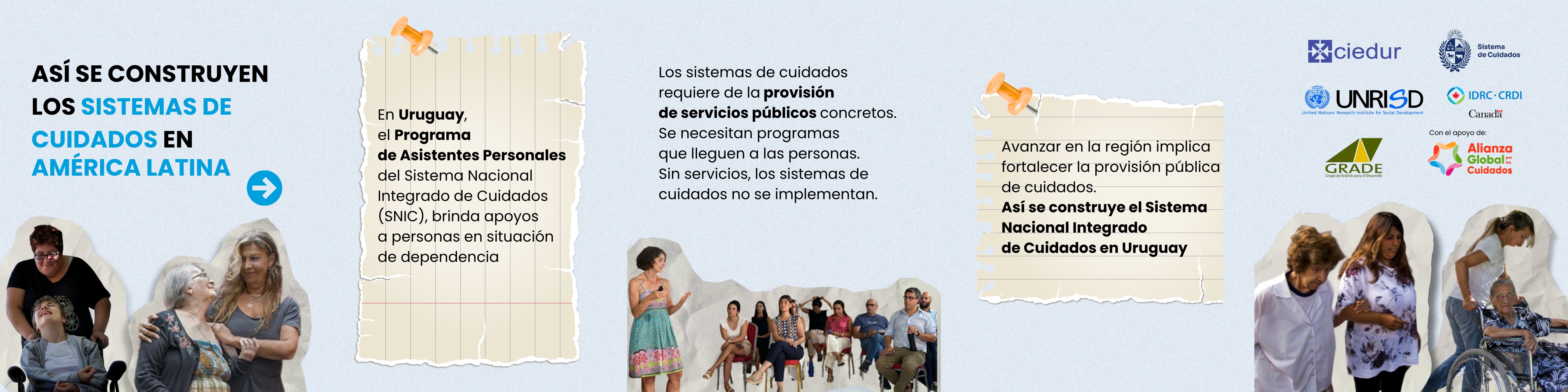
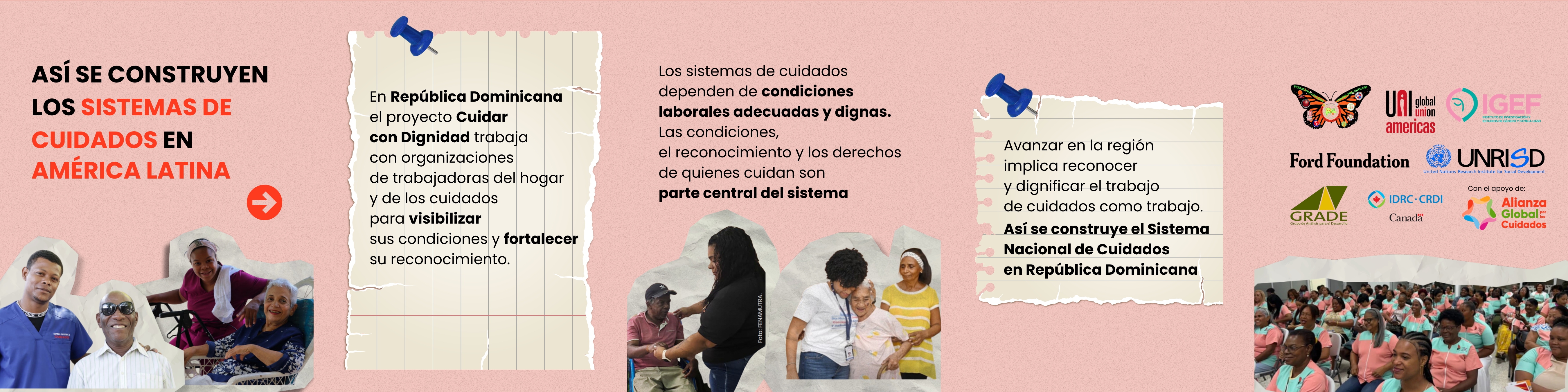
REPÚBLICA DOMINICANA
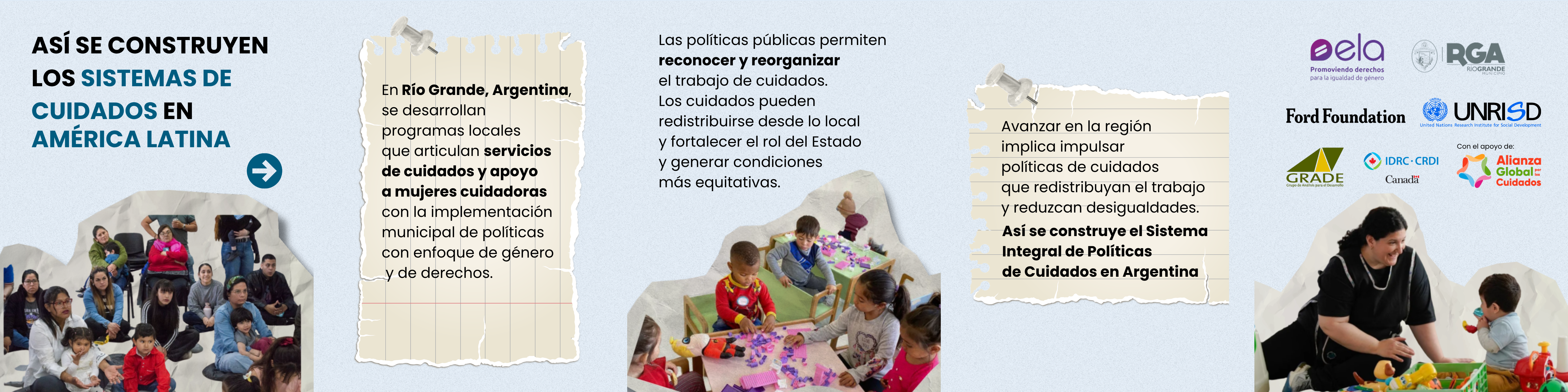
ARGENTINA
URUGUAY
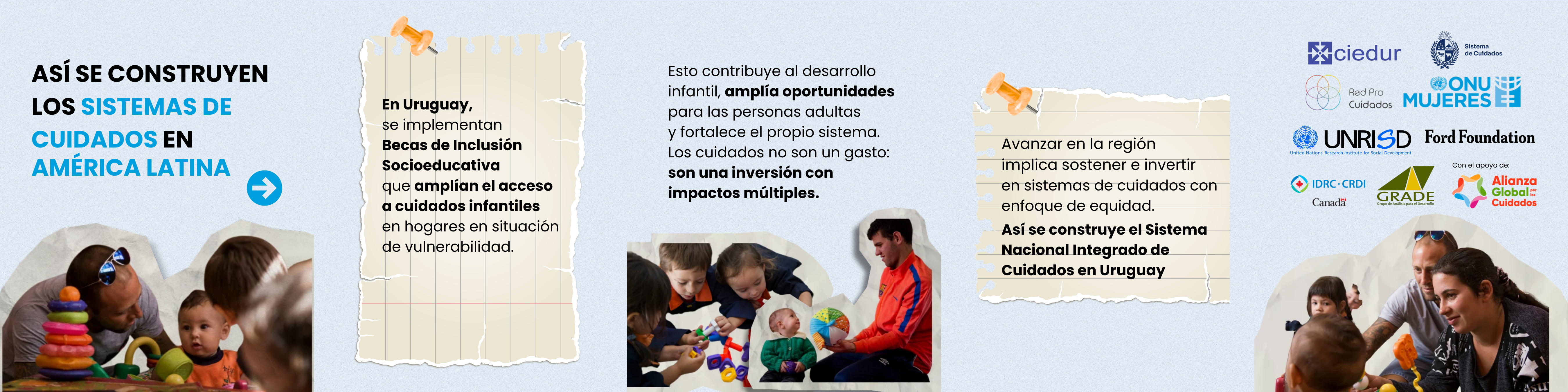
Building care systems in Latin America requires recognizing that there is no single path forward. The experiences gathered in this series show that care is built through multiple avenues: community work, institutional coordination, shared responsibility, public investment, long-term care, and responses to the inequalities that permeate daily life.
These lessons highlight the importance of continuing to strengthen spaces for regional exchange, evidence-building, and collective action to advance toward care policies that are more comprehensive, sustainable, and connected to local communities and people.